



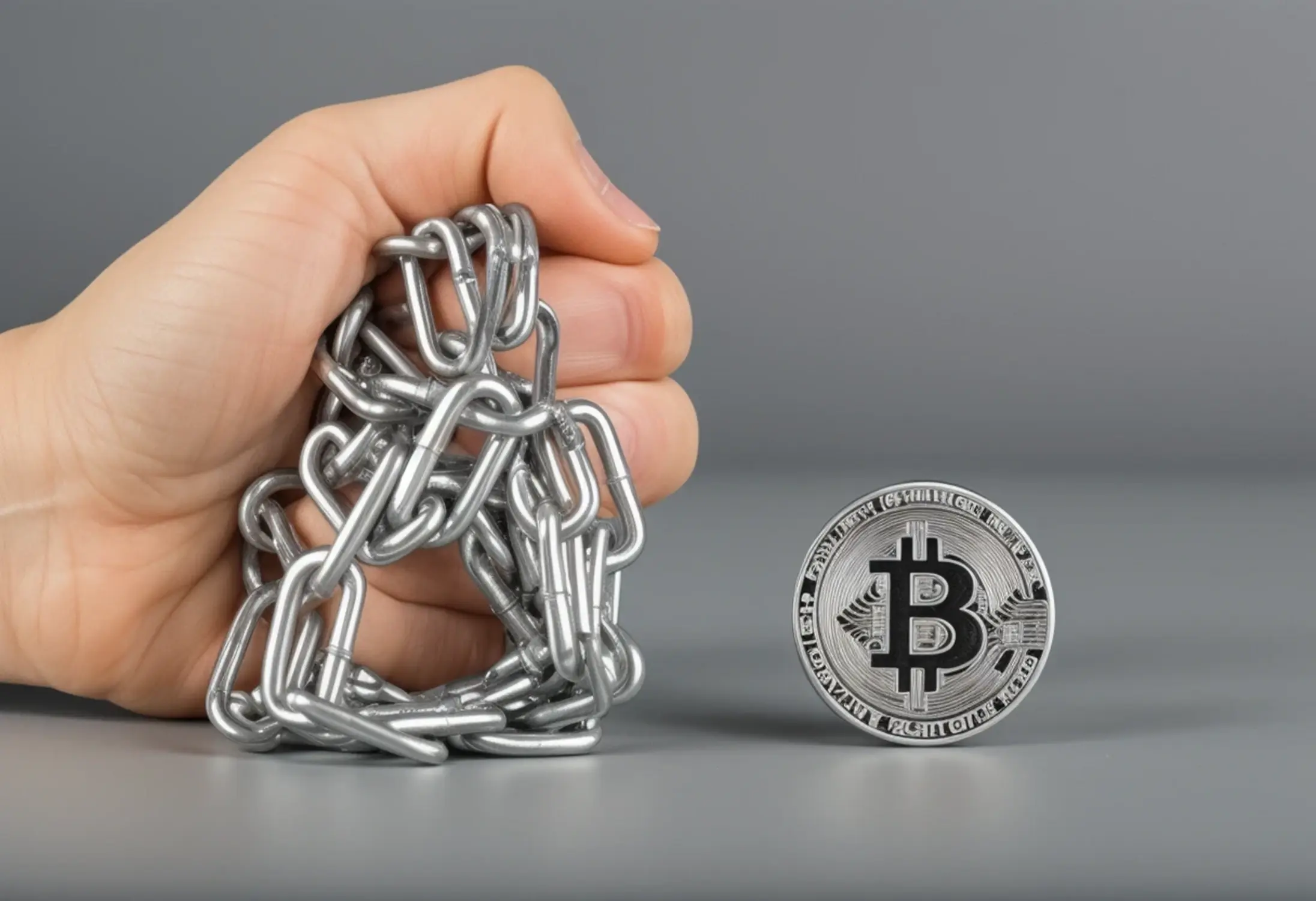
As the global landscape shifts, understanding the Iran Crypto Economy is crucial for recognizing how cryptocurrency is influencing economic stability amid ongoing sanctions, and why this matters to both investors and policymakers.
Understanding the Iran Crypto Economy Today
The current state of cryptocurrency use in Iran reflects a complex landscape amidst international sanctions. Cryptocurrency has emerged as a vital tool for both the general populace and businesses, attempting to navigate financial restrictions. As reported by recent analysis, the Iranian crypto economy has surged significantly, surpassing $7.78 billion, indicating robust adoption amid adversities.
Key players in the Iranian crypto market include exchanges and mining companies that operate under challenging conditions. Local platforms have adapted to ensure access to digital currencies despite international pressures. These players demonstrate a resilient spirit that seeks to harness blockchain technology not just for investment purposes but also for facilitating trade in a constrained economy. The relationship between cryptocurrency adoption and the local economy shows a significant potential for stabilization, providing an alternative pathway for transactions that bypass traditional banking systems.
Economic Impact of Crypto Amid Sanctions
Iran’s ongoing sanctions significantly influence its cryptocurrency market. As traditional trade routes become less viable, cryptocurrency emerges as an avenue for foreign transactions and goods procurement. Notably, Iran has turned to various cryptocurrencies, including Bitcoin and stablecoins, as tools for international trade, thereby altering the landscape of its economic interactions. As shown by recent trends, more businesses are opting for cryptocurrency in Iran as an alternative currency for trade.
The impact is twofold; while cryptocurrency enables access to international markets, it also poses risks related to volatility and regulatory scrutiny. The economic benefits include the ability to bypass international banking restrictions and settle payments securely. Conversely, the drawbacks involve the risk of dealing with unregulated entities and potential loss of value inherent in digital currencies. These dynamics illustrate how cryptocurrency serves both as a lifeline and a risk factor within Iran’s challenging economic environment.
Regulatory Environment for Cryptocurrency in Iran
The regulatory environment governing cryptocurrency activities in Iran presents a unique paradox. Current regulations allow a degree of freedom regarding crypto trading and mining; however, they exist within a framework that is not fully aligned with international standards. Authorities have acknowledged the importance of cryptocurrency, but inconsistencies in regulation can create uncertainty for investors and businesses operating in this space.
For example, while Iran allows cryptocurrency mining under a license, the rules can be vague, which contrasts sharply with international practices. This comparison reveals a need for clearer, more defined regulations that align with global standards to foster a secure investment environment. The implications for crypto investors include navigating these complexities to ensure compliance while capitalizing on emerging opportunities in the Iranian market.
International Reactions to Iran’s Crypto Activities
The global community’s response to Iran’s crypto initiatives indicates a cautious approach. While some nations recognize the potential for cryptocurrencies to enhance economic resilience, others view these initiatives with skepticism, fearing they may facilitate resistance against international sanctions. The reactions reflect a broader concern regarding crypto transactions being utilized for circumventing financial restrictions, which has led to increased monitoring of Iran’s activities in the space.
Geopolitical considerations play a crucial role in shaping Iran’s strategies as it seeks to bolster its economic framework through crypto adoption. The intersection of sanctions and cryptocurrency initiatives creates a landscape where international relations and market dynamics are intrinsically linked, influencing how policies may evolve in response to Iran’s crypto economy.
Adopting Cryptocurrency for Economic Resilience
Businesses in Iran can strategically leverage cryptocurrency to build economic resilience amid crises. By utilizing digital currencies, companies can stabilize transactions and mitigate the risks of currency devaluation or inflation. For instance, the use of cryptocurrency can facilitate cross-border payments, allowing Iranian businesses to engage with the global economy despite sanctions.
To maximize benefits, businesses should adopt strategies such as setting up secure wallets, utilizing blockchain technology for transparent transaction records, and staying informed about regulatory changes that may impact operations. Successful cryptocurrency projects in Iran illustrate the potential of these strategies, showcasing innovations designed to harness the technology effectively while navigating existing obstacles.
Future Outlook for Iran’s Cryptocurrency Landscape
The future of Iran’s cryptocurrency landscape seems poised for growth as the country seeks to integrate digital currencies into its economic framework. Predictions suggest that as regulatory measures improve and technology advances, the crypto economy in Iran could evolve into a notable segment within the global crypto market.
Potential areas for growth include an increase in crypto adoption among local businesses, expansion of cryptocurrency exchanges, and enhanced technological developments in fintech. Additionally, external factors, such as shifts in geopolitical relations and evolving sanction regimes, may shape this landscape significantly. Investors looking towards the Iranian market should remain aware of these dynamics, considering both opportunities and challenges in this rapidly changing environment.