



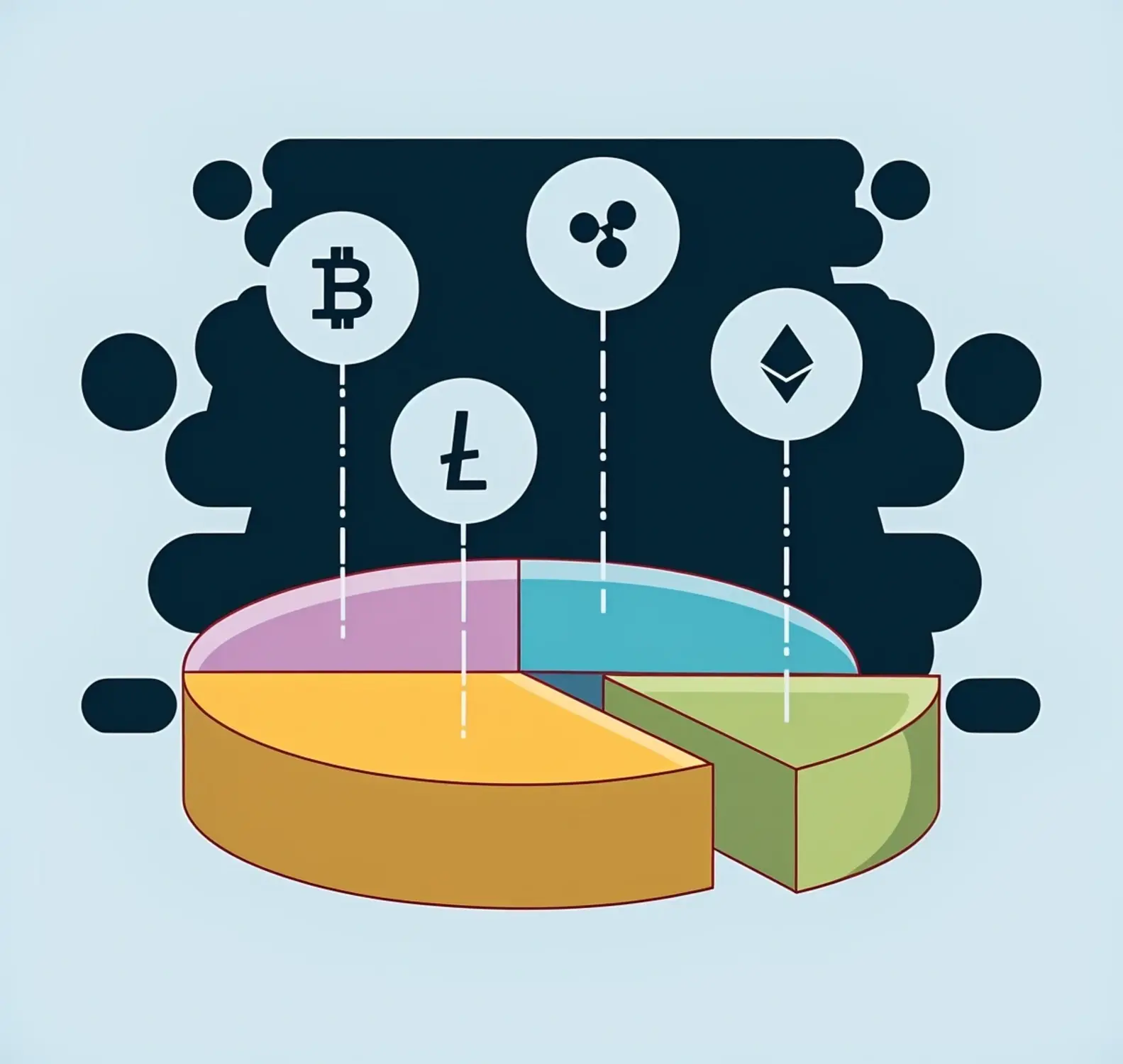
The rise of stablecoins is fundamentally shifting tokenomics and reshaping how we understand cryptoeconomics. This evolution is crucial for investors and users alike, as the adoption of stablecoins promises to enhance liquidity, stability, and trust within the cryptocurrency ecosystem, demanding our attention right now.
The Role of Stablecoins in Modern Tokenomics
Stablecoins play a transformative role within the broader scope of tokenomics, operating as a bridge between the volatility of cryptocurrencies and the stability of traditional fiat currencies. These assets are designed to maintain a stable value, making them essential for facilitating transactions in a landscape where price fluctuations can be extreme. According to crypto-economy.com, stablecoins can be broadly categorized into three types: fiat-collateralized, crypto-collateralized, and algorithmic. Each type serves unique functions, allowing users to navigate the crypto market with more confidence.
Fiat-collateralized stablecoins are backed by a reserve of traditional currency, while crypto-collateralized variants are secured by other cryptocurrencies. Algorithmic stablecoins, on the other hand, use algorithms to control supply and demand to stabilize their price. This diversity not only enhances user experience but also opens up opportunities for diverse market strategies. In essence, stablecoins serve as a valuable tool in modern tokenomics, providing necessary tools for stability, investor confidence, and transaction efficiency.
Impacts on Investor Insights and Strategies
The introduction and rising adoption of stablecoins have radically shifted investment strategies in the crypto space. Investors are increasingly leaning towards stablecoins to diversify their portfolios, mitigate risk, and stabilize returns. This trend is particularly notable as traditional finance models grapple with unprecedented volatility fueled by economic uncertainties.
With stablecoins acting as a hedge against cryptocurrency volatility, investors can reposition their assets dynamically. Many are utilizing them as a safe haven during market downturns, effectively reallocating funds to other investments as conditions improve. Furthermore, stablecoins facilitate seamless transfers and minimize transaction costs, allowing investors to enter and exit positions without incurring substantial fees. As a recent analysis noted, World Liberty Financial voted to allocate up to 5% of its treasury to promote the USD1 stablecoin, reflecting a growing trend among organizations to adopt stablecoin strategies that enhance liquidity and stability within their operations (Binance).
In summary, stablecoins are not just an alternative to traditional cryptocurrencies; they are reshaping how investors view and engage with cryptoeconomics altogether.
Current Adoption Trends of Stablecoins
As stablecoins continue to gain traction, recent statistics illuminate their rapid growth in adoption. The total value locked in various stablecoins has soared, indicating burgeoning trust and reliance within the crypto community. Currently, the total value locked in the USD1 stablecoin approaches $3 billion (crypto-economy.com). This substantial growth highlights how stablecoins are rapidly becoming integral components of financial strategies for both individual investors and larger institutions.
An increasing number of organizations, from tech startups to financial institutions, are leveraging stablecoins to streamline operations, improve transaction speeds, and reduce exchange risk. The push for wider adoption likely stems from the desire to marry the benefits of crypto technology with the stability and familiarity of traditional finance. As these trends unfold, we can expect stablecoins to occupy an increasingly prominent role in the capital markets, shaping how we approach liquidity, risk, and overall market efficacy.
The Future of Cryptoeconomics with Stablecoin Integration
Looking ahead, the integration of stablecoins into existing cryptoeconomic models could yield transformative effects on the economic landscape. As more users and investors embrace these digital assets, they are poised to fundamentally alter traditional frameworks and question established paradigms in finance.
However, this integration does not come without challenges. Regulatory frameworks must keep pace with the rapid growth and innovation encapsulated by stablecoins. Policymakers face the task of balancing consumer protection with fostering innovation, as failure to establish clear regulations could stifle advancements. Moreover, as stablecoin technology evolves, we may witness innovations that further enhance economic stability and accessibility.
Predictions suggest that with proper guidance, stablecoins could usher in a new era of cryptoeconomics defined by enhanced transparency, increased trust, and reduced market manipulation. The potential is vast, and as the landscape evolves, those engaged in cryptocurrencies must remain vigilant and adaptable.
Enhanced Liquidity and Market Stability
Stablecoins significantly contribute to increased liquidity in the cryptocurrency markets, enhancing the overall stability of these ecosystems. By bridging gaps between volatile assets, stablecoins allow traders to enter and exit positions more fluidly, ensuring better price discovery and efficient transactions. This liquidity is notably beneficial during market downturns, as traders can quickly move into stablecoins to hedge against losses.
Moreover, stablecoins mitigate volatility by offering lower price fluctuations as compared to traditional cryptocurrencies. This stability attracts more conservative investors who may have hesitated to engage with the highly speculative nature of crypto assets. Short-term traders benefit from the ease of transactional fluidity while long-term investors find value in holding stablecoins as a safer alternative that may yield consistent returns when capitalized upon wisely.
In summary, stablecoins act as a stabilizing force, ensuring that the crypto markets can withstand shocks while maintaining orderly operations essential for investor confidence.
Actionable Steps for Engaging with Stablecoins
To effectively incorporate stablecoins into their portfolios, investors should take several actionable steps:
– Research and Selection: Identify reliable stablecoins based on their market conditions and use cases. Factors like underlying collateral, market cap, and liquidity should guide your decisions.
– Diversify Holdings: Use stablecoins to diversify your crypto portfolio, reducing risk associated with traditional volatile cryptocurrencies.
– Monitor Trends: Stay informed about market trends and evolving regulations impacting stablecoins. Utilize available resources and platforms to keep abreast of innovations and risks within the stablecoin ecosystem.
By following these steps, investors can effectively harness the power of stablecoins to enhance their portfolios strategically and responsibly. As the world moves further into a digital economy, stablecoins will undoubtedly play a central role in shaping the investment landscape.