




In the face of mounting economic turmoil and rising inflation, many Iranians are increasingly turning to Bitcoin as a crucial component of their financial resilience. The evolving dynamics of Iran’s crypto economy emphasize the urgent need for individuals to adapt to these changing financial landscapes.
Economic Chaos in Iran Fuels Demand for Bitcoin
Iran is currently grappling with one of the most severe economic crises in its history. Inflation rates have skyrocketed, with estimates suggesting figures between 40% and 50%, while the Iranian rial has lost approximately 90% of its value against the U.S. dollar since 2018. The ongoing economic sanctions have further exacerbated the situation, leading to significant currency devaluation and reduced purchasing power for the average citizen. These factors have created a perfect storm for the emergence of Bitcoin as a financial alternative.
As the Iranian government continues to grapple with the repercussions of sanctions, citizens are increasingly seeking refuge in digital currencies to safeguard their assets and maintain their financial mobility. The shift toward cryptocurrencies, particularly Bitcoin, has become a prominent feature of Iran’s crypto economy as individuals explore ways to circumvent traditional banking restrictions and protect their wealth. According to recent reports, Bitcoin is now seen as a lifeline amid the economic chaos.
The Role of Bitcoin in Iran’s Financial Stability
Bitcoin’s role in Iran’s financial landscape has grown significantly, particularly during periods of civil unrest. Amidst protests, interest and activity surrounding Bitcoin have surged, illustrating its potential as a means of wealth preservation. For many Iranians, Bitcoin represents a stable asset compared to the volatility of the rial, making it an attractive option for those looking to protect their savings.
Furthermore, Bitcoin serves as a vehicle for transferring value without interference from the state. As protests erupted, showcasing mass discontent with the government’s policies, many turned to Bitcoin to facilitate transactions away from the prying eyes of authorities. This evolving financial behavior reflects a larger trend of individuals seeking alternatives to government-controlled systems. According to Chainalysis, Iran’s crypto activity is expected to reach an impressive $7.78 billion by 2025, highlighting the growing significance of digital assets in the country.
Increased Crypto Activity during Protests
Civil unrest has proven to be a catalyst for increased Bitcoin transactions in Iran. During significant protests, data shows notable spikes in crypto activity, as citizens utilize online platforms to convert their assets. The decentralized nature of cryptocurrencies becomes particularly appealing during these times of turmoil, providing an avenue for secure and private transactions.
However, the Iranian government has imposed strict internet restrictions during protests, complicating access to cryptocurrency platforms. Despite these challenges, many Iranians have found ways to navigate these barriers, relying on VPNs and other tools to maintain their crypto dealings. Personal stories from individuals indicate that Bitcoin is not merely a speculative investment but a necessity for survival and financial autonomy in an increasingly hostile environment.
The Islamic Revolutionary Guard Corps and Crypto
The landscape of Iran’s crypto economy is not solely defined by individual actors; state involvement, particularly from the Islamic Revolutionary Guard Corps (IRGC), plays a crucial role. The IRGC has been linked to substantial wallet activity, receiving over $3 billion in crypto during 2025, as reported by Chainalysis.
This involvement raises questions about the implications for the overall crypto ecosystem in Iran. The growing influence of the IRGC may lead to stricter regulations or even attempts to control digital currency transactions. As the state tightens its grip on financial systems, individuals may need to reassess their strategies for engaging with cryptocurrencies.
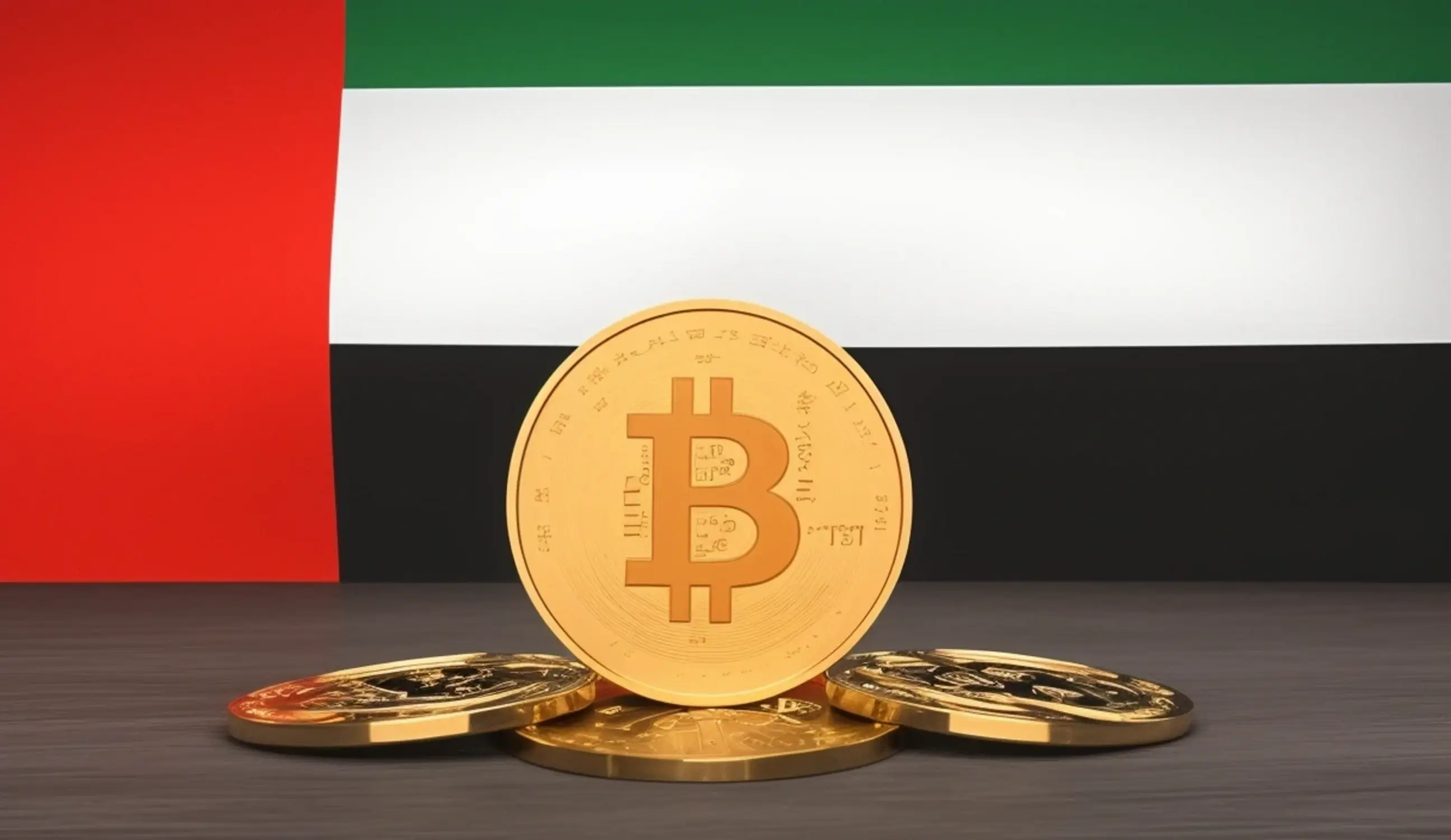
Future of the Iran Crypto Economy: Trends Ahead
Looking ahead, the Iran crypto economy is poised for significant evolution. Predictions indicate continued growth in cryptocurrency activity, driven by the ongoing economic crisis and public demand for financial alternatives. There may also be a potential shift in government policy towards a more favorable stance on digital currencies as authorities recognize the need to harness this growing sector for economic rejuvenation.
However, these developments also present dilemmas. Increased regulation could stifle individual engagement in the crypto economy, limiting the ability to utilize Bitcoin as a financial safeguard. Establishing a balance between state interests and individual financial freedom will be crucial in shaping the future of the crypto landscape in Iran.
Actionable Steps for Individuals in Iran
For those looking to navigate this complex financial environment, engaging with Bitcoin and cryptocurrencies can offer significant advantages but also entails risks. Here are some actionable steps:
– Educate Yourself: Understanding the intricacies of cryptocurrency markets is essential. Various online resources and communities provide valuable insights.
– Use Secure Platforms: Opt for reputable exchanges and wallets to mitigate risks associated with fraud and hacking.
– Stay Informed: Monitor economic indicators and legal developments concerning cryptocurrencies in Iran to adapt your strategies accordingly.
– Start Small: If you are new to cryptocurrencies, start with a modest investment to learn the ropes.
As Iran’s economy continues to strain due to heavy sanctions and high inflation, Bitcoin not only emerges as a financial lifeline but may also reshape what financial empowerment means for many Iranians.