



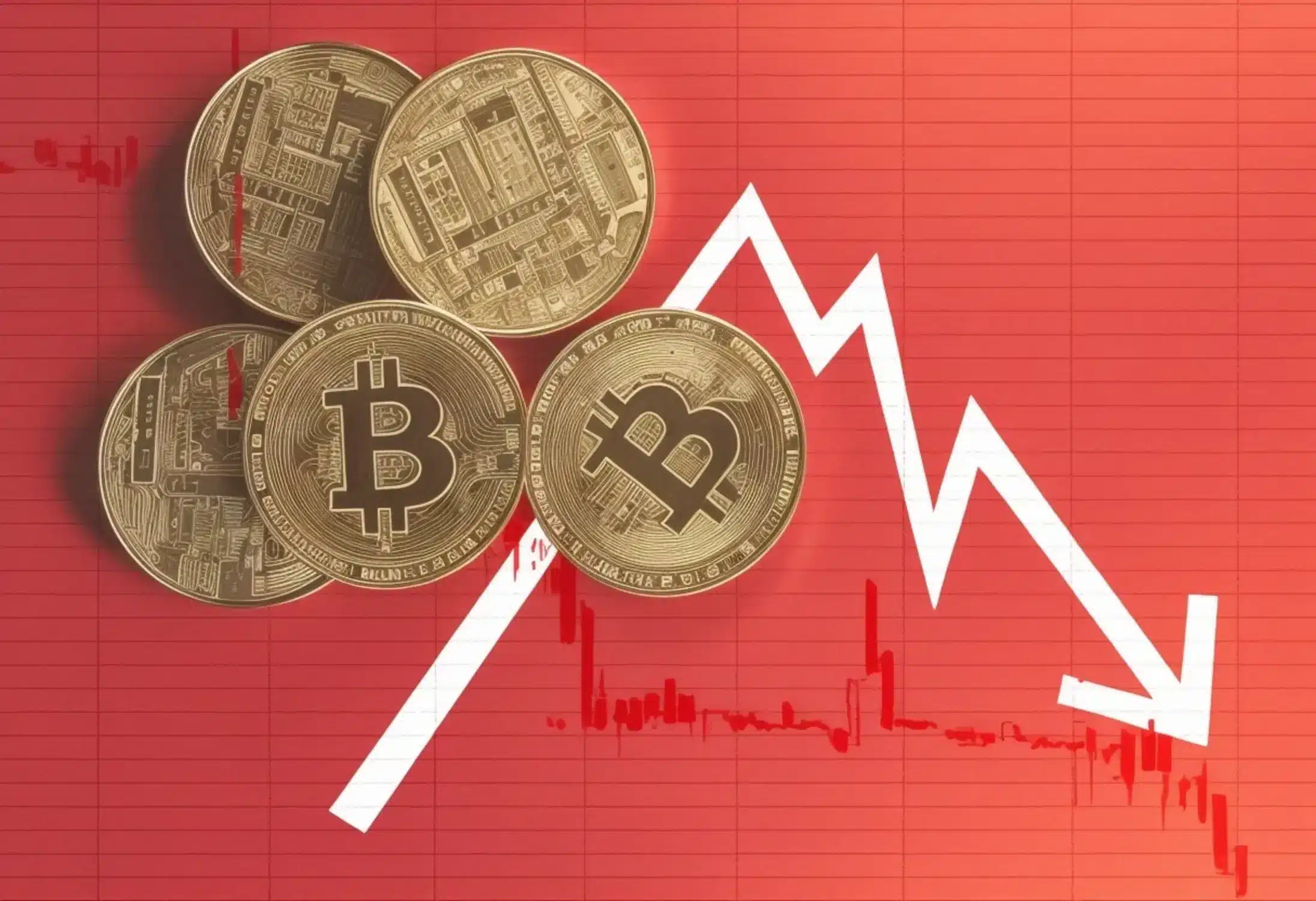
The recent decline in Bitcoin’s value is set to reshape the cryptocurrency landscape in unprecedented ways. As this situation unfolds, understanding its implications on investments and the financial markets is crucial for stakeholders seeking opportunities amid the turmoil.
Bitcoin Value Decline Affects Market Stability
The recent drop in Bitcoin’s value has reverberated throughout the cryptocurrency market, stirring significant reactions among investors. Following a pattern observed in previous market downturns, Bitcoin’s price fluctuations often serve as a bellwether for the overall health of the cryptocurrency landscape. When Bitcoin’s value declines, altcoins typically follow suit, leading to widespread uncertainty among investors. In fact, current market reactions indicate a trend where investor sentiment swings towards caution, resulting in a surge of sell-offs.
A decline in Bitcoin can trigger market liquidation, leading to decreased stability across various cryptocurrency assets. Investors who may have taken a more speculative view in bullish conditions tend to retreat quickly in downturns, amplifying price drops. This cascade of selling can severely impact market capitalization, forcing even seasoned investors to reconsider their strategies during such volatility.
Understanding the Value of Bitcoin
Determining the value of Bitcoin hinges on several complex factors, including market demand, regulatory developments, and macroeconomic indicators. Initially conceived as a decentralized currency, Bitcoin now embodies a store of value akin to gold, which complicates its valuation in the financial ecosystem. Historical context reveals that Bitcoin has experienced sharp increases and declines, often prompted by technological advancements, market sentiment shifts, and external pressures such as regulatory scrutiny.
Investors must recognize that Bitcoin’s journey is not linear; notable events like forks and significant market news can drastically alter its perception and value. As industry experts note, understanding Bitcoin’s pivotal role within the broader cryptocurrency ecosystem is essential, as it often dictates movements in altcoins and investor behavior.
Implications of a Cryptocurrency Crisis
As Bitcoin’s value drops, the implications extend beyond its immediate impact. The potential ripple effects on altcoins could destabilize the entire cryptocurrency framework. For instance, if Bitcoin experiences a downturn, numerous altcoins may witness correlated declines, as investors flock to safety or liquidate holdings to cover losses. During such a crisis, historical trends suggest that liquidity conditions may tighten, further exacerbating market volatility.
Cryptocurrency investments tend to experience increased scrutiny during crises, with investors gravitating towards more stable assets. Regulatory bodies might also respond to these developments, implementing tighter regulations as a guiding framework amidst increasing investment risk. Speculative trading could give way to more cautious strategies, reflecting a shift in market sentiment driven by fear and uncertainty, as evidenced during the 2008 financial crisis which saw similar patterns of investor behavior.
Assessing Bitcoin Investment Risks
Investing in Bitcoin during periods of decline necessitates a rigorous evaluation of risk management strategies. Investors ought to discern between long-term and short-term perspectives when contemplating their Bitcoin investments. Short-term traders might seek quick gains through volatility but should remain aware of significant market fluctuations. In contrast, long-term investors often adopt a buy-and-hold approach that aligns with Bitcoin’s historical trends of recovery post-crisis.
Diversifying investments is essential, particularly during volatile times. Investors can mitigate risk by integrating different asset classes into their portfolios, not solely dependent on Bitcoin. This strategy enhances resilience against sudden market shifts, allowing individuals to weather downturns more effectively.

Lessons from Financial Markets Shifts
Examining historical parallels offers valuable insights into Bitcoin’s current value changes. Past financial downturns reveal behavioral finance patterns—investors often react emotionally, exhibiting panic selling in response to significant value drops. This underscores the importance of understanding investor psychology during financial crises: fear can lead to irrational decisions, further compounding market instability.
Additionally, identifying trends post-downturn can provide strategic guidance. In previous crises, recoveries often saw renewed investor interest along with shifts in market dynamics. Recognizing that markets can rebound provides hope amidst the current turmoil surrounding Bitcoin.
Strategies for Navigating the New Landscape
Amid this tumultuous landscape, investors should equip themselves with actionable strategies. Staying informed about market trends and news is vital for making timely decisions, particularly in today’s fast-paced environment. Utilizing technology tools, such as tracking apps and investing platforms, enhances analytical capabilities and allows for better investment choices.
Furthermore, developing a well-structured investment plan that addresses potential scenarios can prepare investors for future shifts in Bitcoin’s value. Incorporating risk mitigation tactics will not only safeguard investments but also bolster confidence amidst crises.
The Future Outlook for Bitcoin and Investors
Speculating on Bitcoin’s recovery entails examining various potential scenarios. While downturns can be alarming, cryptanalysts often suggest that they also pave the pathway for future growth and adoption. Insights from crypto experts indicate that unexpected rebounds can happen, driven by renewed interest from institutional investors and advancements in technology.
As the cryptocurrency landscape evolves, investors must remain adaptable, prepared for shifts that may redefine the market. With proactive strategies and informed decision-making, the potential for successful outcomes in navigating Bitcoin’s uncertain future remains promising.